

Strength and cleanliness
Use cartons that are dry, clean and structurally sound. Avoid damaged seams, crushed corners, contamination or signs that the cardboard has weakened.

Books can make a large carton too heavy long before it looks full. Bedding has the opposite problem: it needs room. Choose each box by the weight, size and fragility of the contents, then pack it so it can close properly.
| What you are packing | What to look for |
|---|---|
| Books and other dense small items | Smaller sturdy cartons that remain manageable when filled. |
| Mixed household belongings | A suitable medium carton with heavier items supported and gaps cushioned. |
| Bedding and bulky lightweight items | A larger carton that can close properly without being forced. |
| Hanging clothes | A wardrobe carton with the correct rail, assembled and loaded to its instructions. |
| Glassware and ceramics | A sturdy carton with suitable individual cushioning and dividers where appropriate. |
| TVs, mirrors or artwork | Packaging matched to the item’s size and vulnerable surfaces; discuss specialty preparation when needed. |
Box dimensions and rated capacities differ by manufacturer. Check the actual packaging instead of treating a size name as a universal weight allowance.
Work through one room at a time and separate items you will not move. That makes the packing quantity more meaningful than ordering solely from the number of bedrooms. Leave room in the plan for fragile items, closet contents and storage areas that are easy to overlook.
Ask Milvus which packing materials are included in your quoted service and which are charged separately. Furniture protection, reusable wardrobe cartons and consumable boxes are different categories. If you intend to pack everything yourself, confirm when the cartons must be ready for collection.
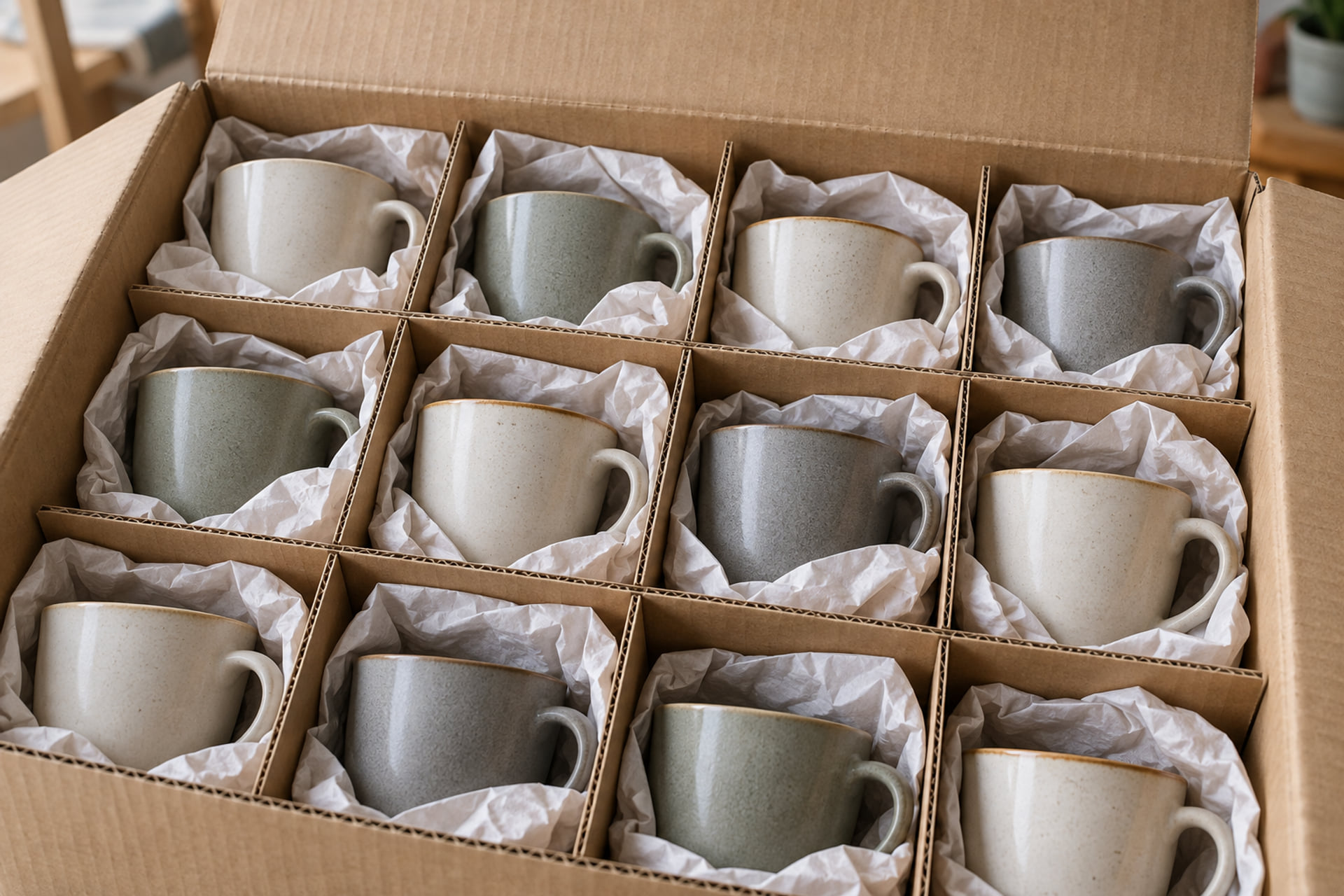
Wrap and support fragile pieces individually with appropriate material. Cushion the base and remaining gaps so the contents do not move freely, without forcing pressure onto delicate parts. Keep heavy objects from bearing on unsupported glass, handles or decorative edges.
A carton should close flat and remain structurally sound. If it bulges, has damaged corners or cannot hold its contents properly, repack into suitable packaging. A “fragile” label tells the handler what to expect; it cannot compensate for loose pieces inside.
Use cartons that are dry, clean and structurally sound. Avoid damaged seams, crushed corners, contamination or signs that the cardboard has weakened.
Remove or clearly cover labels that could confuse delivery or suggest contents the box no longer holds. Make the current room and handling information easy to find.
A free carton is only useful if it fits the job. Do not force a fragile or heavy item into unsuitable packaging to avoid buying the right box.
Follow the box maker’s instructions for the base and closure. Use appropriate packing tape and check the carton before adding contents.
Choose the contents by weight and fragility. Fill voids appropriately and avoid mixing delicate pieces with unsupported heavy objects.
Seal the carton and write the destination room plus a useful description. Add handling information where relevant, without displaying sensitive personal details.
Number cartons if that helps your household, and keep the list with you. Group ready cartons where they do not block the room-to-truck route.
Separate identification, important paperwork and medication needed during travel or before delivery.
Pack toiletries, clothing, chargers and basic meal supplies in a bag or carton you will carry personally.
Ask Milvus about restricted or unsuitable cargo, including liquids, hazardous materials and perishables. Do not hide a questionable item inside an ordinary household carton.
Packing a kitchen or a collection of delicate items can take more preparation than its floor space suggests. If you want help, describe the contents and ask about a packing service while the schedule can still be planned.
Milvus can discuss selected-item or broader packing needs with your moving quote. Include the furniture list, approximate carton count, access and the date you need the home ready.
Have a different situation? Call 857-895-8955 and talk it through with Milvus.
It is usually more practical to match the carton to the weight, size and fragility of its contents. Dense items and bulky lightweight belongings should not automatically share the same packaging.
They do not provide the same shape, support or stackability. Ask about suitable packaging for the specific contents rather than using loose bags for fragile or heavy items.
Use the destination room and a short, useful description. Add a number if keeping an inventory and relevant handling information. Avoid exposing private documents or valuables in the label.
Confirm with Milvus when and how the quoted wardrobe cartons will be supplied and used. Follow the carton’s assembly and loading instructions.
Your estimate depends on the items, access and services you need.
Prefer to talk? 857-895-8955Share the addresses, date and the items you want to move. Milvus can help you work out packing, transport and delivery.